The file on
World War II
1939-1945
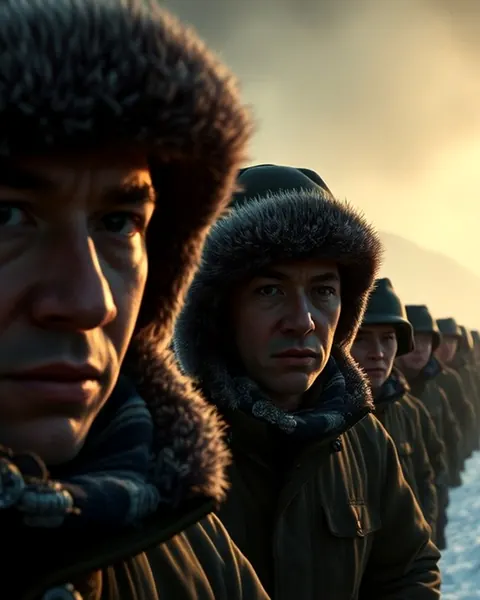
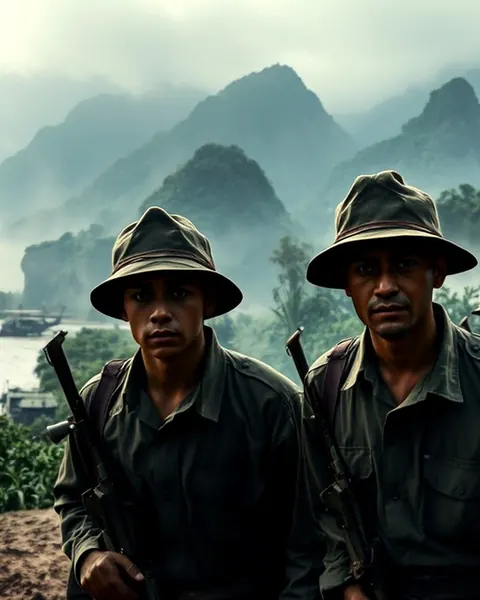
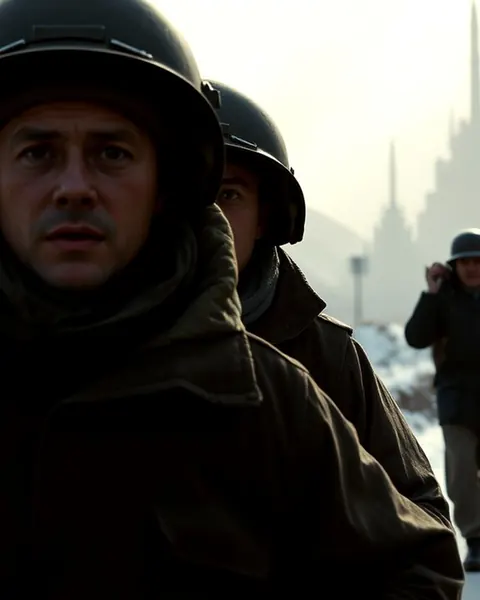
It was the largest and deadliest conflict in human history, and it still shapes the world we live in. In this hour-long episode of The Wars Of History Podcast, Mike tells the full story of the Second World War, from 1939 to 1945 and from Europe to Asia. It's a conversational deep dive that goes well beyond the video, with more stories, more people and their own words. It treats it as a truly global war: the Eastern Front and the Pacific, China's eight-year struggle against Japan, and the colonial troops from India, Africa and beyond who fought for the Allies. We hear from leaders, soldiers, resisters and survivors on every side.
We begin with the road to war: the Treaty of Versailles, the Great Depression, Mussolini and the invasion of Ethiopia, Hitler's rise and the Nuremberg Laws, Japan's seizure of Manchuria, the Marco Polo Bridge, Shanghai and the Nanjing Massacre (told without graphic detail), Munich and "peace for our time", and the Nazi-Soviet Pact.
Next comes the war in Europe: the invasion of Poland, Katyn, the Winter War, Blitzkrieg and the fall of France, Dunkirk, Churchill's "blood, toil, tears, and sweat" and "finest hour", de Gaulle, the Battle of Britain and the Polish pilots of 303 Squadron, the Blitz, Lend-Lease and the Battle of the Atlantic.
Then the war goes global: Operation Barbarossa, the siege of Leningrad, the defense of Moscow, Pearl Harbor and FDR's "date which will live in infamy", the fall of Singapore, Bataan, the Burma Railway, Midway, Guadalcanal, Kokoda, China's war under Chiang Kai-shek and Mao Zedong, the British Indian Army, African soldiers, Kohima and Imphal, and the Bengal famine.
After that, the turning points: El Alamein, Stalingrad and Kursk, the home fronts, Rosie the Riveter, the Night Witches, Bletchley Park and Alan Turing, the Navajo code talkers, Japanese American internment, the Tuskegee Airmen, the White Rose and the resistance. The Holocaust is told respectfully and factually: the Warsaw Ghetto Uprising, the rescuers and the Righteous Among the Nations, Anne Frank, and Elie Wiesel.
Finally, victory and its price: Monte Cassino, D-Day and Eisenhower's "Great Crusade", Operation Bagration, the Warsaw Uprising, the bombing debate over Dresden and Tokyo, the Battle of the Bulge, the fall of Berlin and VE Day, Leyte Gulf, Manila, Iwo Jima, Okinawa, the Manhattan Project, Hiroshima and Nagasaki (both sides of the debate), Hirohito's broadcast and Japan's surrender. Casualty figures are given as ranges, because estimates vary. We close with Nuremberg, the United Nations, the Iron Curtain, the end of empires and a longer look at what this war still teaches us.